Introduction:
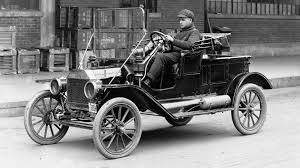
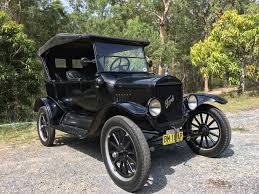
The Ford Model T, introduced in 1908, is an iconic vehicle that left an indelible mark on the automobile industry. Known as the “Tin Lizzie” or simply the “T,” the Model T was a groundbreaking innovation that revolutionized transportation and brought the automobile within reach of the average American. This article delves into the history, features, and impact of the Ford Model T, highlighting its significance in shaping the automotive landscape.
- The Birth of the Model T:
The brainchild of Henry Ford, the Model T was designed to be an affordable, reliable, and efficient vehicle. Its production began in 1908 at the Ford Piquette Avenue Plant in Detroit, Michigan. The Model T was crafted using innovative assembly line techniques, allowing for mass production at a scale previously unseen in the automotive industry. - Innovative Design and Features:
The Model T boasted several features that set it apart from its contemporaries. Its chassis was made of a sturdy vanadium alloy steel, which enhanced durability while keeping the weight manageable. It was powered by a 2.9-liter, four-cylinder engine, producing 20 horsepower. With a top speed of around 45 mph (72 km/h), it offered a reliable and comfortable driving experience. - The Assembly Line Revolution:
One of the most significant contributions of the Model T was its production process. Henry Ford implemented the concept of the assembly line, whereby workers specialized in specific tasks, resulting in a streamlined and efficient manufacturing process. This innovative approach significantly reduced production time and costs, allowing for a substantial decrease in the final price of the Model T. - Affordable and Widely Accessible:
Prior to the Model T, automobiles were considered luxury items accessible only to the wealthy. Ford’s vision was to make the automobile affordable for the average working person. Through the implementation of the assembly line and other cost-cutting measures, the price of the Model T dropped from $825 in 1908 to as low as $260 by 1925, making it increasingly accessible to a wider population. - Impact on Society and Industry:
The Model T’s affordability and mass production methods transformed the automotive landscape and had far-reaching effects. It brought about a surge in car ownership, enabling millions of Americans to experience personal mobility for the first time. It also spurred the growth of the automobile industry, leading to the development of road infrastructure, gas stations, and various support industries. - Legacy and End of Production:
The Model T remained in production for nearly two decades, with over 15 million units manufactured. However, by the early 1920s, advancements in automobile design and consumer demand for more features and styles began to surpass the simplicity of the Model T. In 1927, Ford ceased production of the Model T, marking the end of an era.
Conclusion:
The Ford Model T’s impact on the automotive industry cannot be overstated. It revolutionized manufacturing processes, made automobiles affordable and accessible, and paved the way for the automobile’s integration into society. The Model T’s enduring legacy is a testament to Henry Ford’s vision and innovation, solidifying its place as one of the most influential vehicles in history.
 vintage auto