
Introduction:
The Volkswagen Beetle, produced from 1938 to 2003, holds a special place in the hearts of millions around the world. With its distinctive rounded shape, reliable engineering, and affordable price, the Beetle became an automotive icon that transcended generations. Let’s delve into the rich history of this beloved “People’s Car” and explore why it remains an enduring symbol of ingenuity, versatility, and timeless design.
Birth of an Icon:
The origins of the Volkswagen Beetle can be traced back to 1930s Germany. Conceived by Ferdinand Porsche and commissioned by Adolf Hitler, the Beetle aimed to create an affordable and practical car for the German masses. It was designed to be simple, reliable, and economical, featuring an air-cooled rear engine, a streamlined body, and the unmistakable round shape that would become its trademark.
Post-War Global Success:
Following World War II, the Volkswagen Beetle found new life beyond its German origins. The car’s unique charm and practicality captured the imagination of people worldwide. As production ramped up, the Beetle became an international success, serving as a symbol of post-war recovery and economic progress. Its popularity in the United States, in particular, soared during the 1960s and 1970s, as it embodied the counterculture movement and stood as a symbol of individualism and freedom.
Endearing Design:
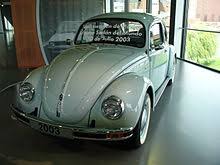
One of the most remarkable aspects of the Beetle is its timeless design. The rounded shape, friendly curves, and minimalist aesthetic gave it a character unlike any other car on the road. The Beetle’s design seamlessly blended form and function, offering an efficient use of space and exceptional visibility. Its iconic silhouette continues to inspire admiration and nostalgia, even long after the end of production.
Engineering Ingenuity:
Beneath its charming exterior, the Volkswagen Beetle featured innovative engineering. The air-cooled rear engine and rear-wheel drive layout provided simplicity, reliability, and outstanding maneuverability. The “People’s Car” was easy to maintain and boasted remarkable durability, earning a reputation for its ability to withstand challenging conditions. Whether navigating city streets or embarking on cross-country adventures, the Beetle proved its mettle time and time again.
Cultural Impact:
The Volkswagen Beetle’s cultural impact cannot be overstated. It became a symbol of a generation, representing freedom, individuality, and rebellion against the status quo. From the “Love Bug” in the 1960s to its appearances in popular movies such as “Herbie: The Love Bug,” the Beetle solidified its place in popular culture. Artists, writers, and musicians embraced the car, infusing it with a spirit that went beyond its mechanical components.
Legacy and Collectibility:
Though production of the Volkswagen Beetle ceased in 2003, its legacy lives on. The car continues to be cherished by collectors and enthusiasts worldwide. Restored and well-preserved Beetles fetch high prices at auctions, reflecting the enduring demand for this automotive icon. The Beetle’s timeless design has also influenced modern car designs, inspiring a wave of retro-styled vehicles that pay homage to its distinctive look and spirit.
Conclusion:
The Volkswagen Beetle, from its humble beginnings as the “People’s Car,” went on to become an international symbol of innovation, individuality, and automotive excellence. Its enduring design, engineering ingenuity, and cultural significance have left an indelible mark on the automotive world. The Beetle’s ability to bring joy and evoke fond memories in people of all ages and backgrounds is a testament to its enduring charm. As we look back on the Volkswagen Beetle, we celebrate the remarkable journey of a car that captured the hearts of millions and left an unforgettable legacy.
 vintage auto