Introduction:
The Ford Mustang, introduced in 1964, forever changed the automotive landscape and became an enduring symbol of American muscle. With its bold design, powerful engines, and affordable price tag, the Mustang captured the hearts of car enthusiasts and defined an era. In this article, we will explore the golden years of the Ford Mustang, from its inception in 1964 to its evolution as a cultural icon by 1973.
- A Bold Design Revolution:
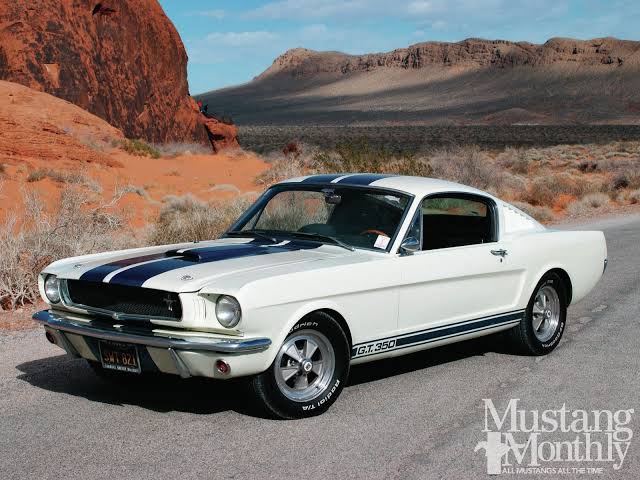
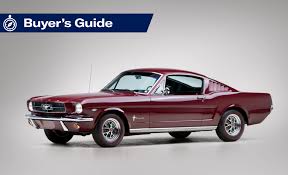
The Ford Mustang’s debut in 1964 marked a revolutionary departure from the ordinary. Its sleek and muscular lines, long hood, and short deck profile exuded a sense of speed and power. The iconic galloping pony emblem on the grille became synonymous with performance and freedom, capturing the essence of the American spirit. The Mustang’s design struck a chord with consumers, making it an instant success. - Performance that Thrilled:
Under the Mustang’s hood, a range of potent engines roared to life. The availability of V8 engines provided exhilarating acceleration and performance, delivering an unforgettable driving experience. From the legendary 289 cubic inch V8 to the fire-breathing 429 Super Cobra Jet, the Mustang’s engine lineup catered to a wide range of driving enthusiasts, ensuring there was a Mustang for every taste and preference. - Birth of the Pony Car Phenomenon:
The Ford Mustang’s introduction birthed a new automotive category known as the “pony car.” Its combination of affordability, performance, and style inspired other manufacturers to follow suit, spawning competitors such as the Chevrolet Camaro and Pontiac Firebird. This new breed of sporty, compact cars captured the imagination of young buyers and forever altered the American automotive landscape. - Racing Success and Pop Culture Icon:
The Mustang’s performance prowess extended to the racetrack, with notable achievements in motorsport. In 1965, the Mustang made a lasting impression by winning the SCCA B-Production Championship, showcasing its racing pedigree. The Mustang also made its mark in popular culture, featuring in movies like “Bullitt” and “Gone in 60 Seconds,” further solidifying its status as a cultural icon and a symbol of rebellion and freedom. - Evolution of Style:
As the Mustang entered the 1970s, it underwent a series of design changes to adapt to the evolving tastes and regulations of the time. The second-generation Mustang featured a more muscular and aggressive design, characterized by a wider body and prominent grille. However, changing market conditions, including the oil crisis and stricter emissions regulations, led to a downsizing of engines and a shift towards fuel efficiency. - Legacy and Enduring Influence:
By the end of its first era in 1973, the Ford Mustang had firmly established itself as a cultural touchstone and a symbol of American automotive excellence. The Mustang’s impact is felt to this day, as subsequent generations of the iconic pony car continue to carry the torch. From the original 1964 model to the modern iterations, the Mustang embodies the spirit of performance, style, and freedom.
Conclusion:
The Ford Mustang of the 1964-1973 era left an indelible mark on automotive history. Its revolutionary design, exhilarating performance, and cultural significance propelled it to iconic status. The Mustang’s influence can still be felt today as it continues to evolve and captivate a new generation of enthusiasts. As we reflect on this golden era of American muscle, the Ford Mustang stands as a testament to the enduring allure of raw power, timeless design, and the spirit of freedom on the open road.
 vintage auto